In 2026, your daily financial decisions are more than personal; they weave into the fabric of our economy. Widespread economic pessimism is rising, with 61% of Americans feeling the system isn't working for them.
This sentiment shapes everything from GDP growth to job markets, making your footprint crucial.
Every dollar saved or spent echoes through tariffs, immigration shifts, and policy cuts, amplifying or mitigating broader trends.
The Daily Struggles of 2026
Personal finances are under strain as costs climb. One in three Americans report worsening finances this past year, a trend that fuels caution.
For 24%, monthly expenses exceed income, creating a cycle of financial stress that restricts spending.
Healthcare affordability concerns 54% of people, reducing discretionary purchases and slowing economic activity.
- Key statistics from recent polls show deep dissatisfaction.
- 70% find local living costs unaffordable.
- 33% are very dissatisfied with their savings.
- 2026 expectations are bleak, with only 33% anticipating improvement.
These numbers aren't just data; they represent real choices that aggregate into macroeconomic forces.
How Your Spending Shapes the Economy
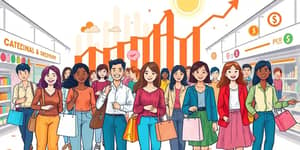
Consumer spending drives nearly 70% of U.S. GDP, making your habits a powerful engine.
When you cut back, it ripples through demand, affecting businesses and labor markets. High savings rates constrain consumption, potentially holding back growth.
Reduced immigration means fewer workers and spenders, directly impacting sectors like construction and services.
- Immigration decline could reduce monthly job growth to crisis levels.
- Tariffs pass costs to consumers, eroding purchasing power.
- Resilient consumption could push GDP above 3% in optimistic scenarios.
Your response to price changes, whether buying or saving, sets the tone for national economic health.
This table highlights how individual actions feed into these projections, with forecast uncertainty due to data gaps.
Policy Changes and Their Ripple Effects
Government decisions amplify your economic footprint. Policy cuts hit vulnerable populations hard, with 5 million at risk of losing health insurance.
Immigration declines reduce consumer spending, as fewer people are here to work and buy goods.
Tariffs and safety net changes force households to adapt, often by tightening budgets further.
- OBBBA health cuts could leave millions uninsured.
- SNAP access reductions affect 2 million monthly.
- Debt spirals crowd out investment, impacting long-term growth.
Your choices in response—like seeking alternative healthcare or adjusting savings—can soften these blows.
Navigating 2026: Scenarios and Forecasts
The economic outlook for 2026 is shaped by collective behavior. Multiple scenarios depend on individual resilience, from demand-driven upsides to productivity gains.
Fast AI adoption could stabilize unemployment and lower prices, offering a brighter path.
However, tariffs and immigration drops pose downside risks, slowing labor and wage growth.
- Scenario: Demand-Driven Upside – Strong household spending boosts GDP above 3%.
- Scenario: Productivity-Driven – AI adoption leads to faster growth with steady jobs.
- Scenario: Downside – Policy and external pressures cause slower progress.
Your footprint determines which scenario unfolds, making mindful decisions essential.
Building a Positive Economic Footprint
You can shape a better economic future through informed choices. Embrace productivity tools like AI to enhance earning potential and contribute to growth.
Focus on resilient consumption by supporting local businesses and managing debt wisely.
Small adjustments, such as increasing savings or investing in skills, aggregate into significant impacts.
- Practical steps to improve your footprint.
- Monitor spending patterns to align with sustainable growth.
- Engage in community initiatives that boost economic resilience.
- Advocate for policies that support fair access and opportunity.
By doing so, you help steer the economy toward optimism, countering pessimism with action.
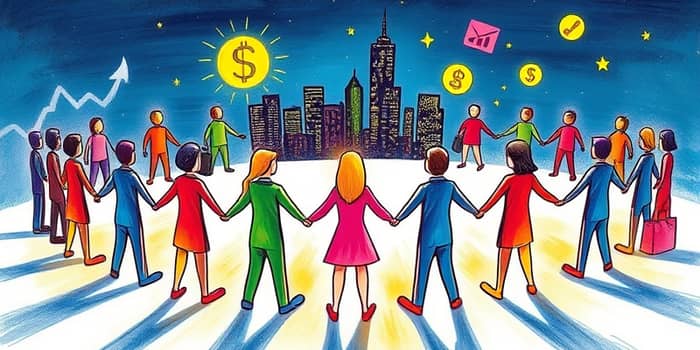
Remember, your economic footprint is a collective force. Individual actions drive macroeconomic trends, from inflation to job creation.
In 2026, let your choices reflect hope and practicality, fostering a system that works for all.
Start today by assessing your financial habits and their broader implications.
References
- https://www.brookings.edu/articles/economic-issues-to-watch-in-2026/
- https://maristpoll.marist.edu/polls/2026-economic-outlook-december-2025/
- https://www.deloitte.com/us/en/insights/topics/economy/global-economic-outlook-2026.html
- https://www.bea.gov/news/blog/2026-01-07/economic-release-schedule-updates-gdp-personal-income-and-outlays
- https://www.morganstanley.com/insights/articles/global-economic-outlook-2026
- https://www.stlouisfed.org/on-the-economy/2025/dec/professional-forecasters-past-performance-outlook-2026
- https://www.spglobal.com/marketintelligence/en/mi/research-analysis/monthly-pmi-bulletin-january-2026.html