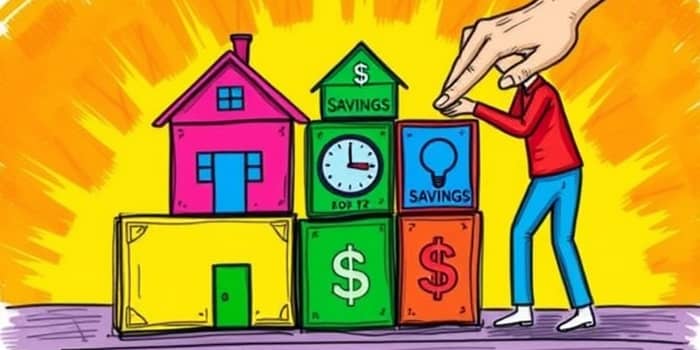
Creating a personal budget is more than a monthly chore; it lays the groundwork for true financial freedom and lasting security. Whether you are just starting your career, managing a household, or planning for retirement, a well-crafted budget serves as your roadmap to success and peace of mind.
By treating budgeting as the first of your wealth building blocks, you establish a blueprint that supports every subsequent financial decision, from emergency savings to long-term investments.
Understanding Your Income and Expenses
The first step in building your budget is to calculate your net income with precision. Start by determining your take-home pay after taxes, including deductions for retirement plans, insurance premiums, and payroll contributions. This net income figure is the foundation for all subsequent steps in your budgeting process.
Once you know what you bring home each month, you can begin to structure your spending around this realistic figure, ensuring you never plan to spend more than you actually earn.
Tracking and Categorizing Spending
With your net income in hand, review bank statements and credit card records for a period of two to four weeks. This snapshot will reveal actual spending habits and highlight areas where you can optimize.
This exercise helps you distinguish fixed and variable expenses and identify unnecessary spending.
- Fixed expenses: rent, utilities, loan payments, insurance.
- Variable expenses: groceries, entertainment, dining out, subscriptions.
- Identify patterns: seasonal purchases, recurring charges, and impulse buys.
By grouping costs into categories, you can pinpoint opportunities to trim expenses and reallocate funds toward your financial goals.
Assessing Your Financial Situation
After tracking your spending, it is essential to take a comprehensive look at your overall financial picture. List all debts by source, current balance, and interest rate. Then calculate your assets, such as retirement accounts, home equity, and savings balances.
Your net worth is defined as the difference between total assets and total liabilities. A regular review of this number helps you understand the impact of your budgeting decisions and motivates you to improve month after month.
Popular Budgeting Rules and Methods
To simplify the budgeting process, many people adopt one of several popular frameworks. The following table outlines key rules and their recommended allocations
Each method offers a clear structure, so choose one that aligns with your lifestyle and goals. You can even blend elements to create a hybrid system that suits your needs.
Setting Goals and Spending Limits
With a framework in place, establish specific spending limits and financial objectives. Allocate funds for essentials, but be sure to prioritize pay yourself first by directing a fixed amount toward savings or debt reduction before you cover wants.
Document both short-term targets, like building an emergency fund, and long-term goals, such as a down payment on a home or retirement milestones. Writing these objectives down increases accountability and keeps you focused when temptation strikes.
Choosing and Implementing a Budgeting System
Maintaining a budget requires consistent tracking and regular adjustments. Select a system that fits your preferences and habits. You might opt for:
- Dedicated budgeting apps that sync with your accounts.
- Custom spreadsheets that offer full control.
- Classic envelope systems using cash envelopes.
Whatever tool you choose, consider automation of savings transfers and bill payments to reduce manual work and ensure consistency. Schedule a monthly review to compare actual spending against your plan and make tweaks as life changes.
Monitoring Progress and Debt Management Strategies
Tracking progress is not just about numbers; it fuels motivation and reveals areas for improvement. Begin by allocating any surplus funds toward high-priority goals, such as building your emergency fund or paying down debt.
- Debt avalanche or snowball method: target high-interest balances first or knock out small balances for momentum.
- Pay more than the minimum on credit cards to reduce interest charges.
- Reallocate windfalls, bonuses, or tax refunds directly into savings or debt payoff.
Over time, these disciplined actions will translate into significant progress, freeing up resources for investments and larger ambitions.
Integrating Budgeting with Long-Term Wealth Building
A robust budgeting practice is the launchpad for broader financial pursuits. Once you’ve sustained an emergency fund, shift attention to investing for growth and protecting your assets with adequate insurance coverage.
Make it a habit to track net worth over time and review your financial snapshot at least twice a year. This holistic view ensures you can safeguard long-term financial health while staying on course toward your dreams.
By mastering cash flow, controlling debt, and prioritizing savings, you will construct a solid foundation that supports every stage of life. Remember, an effective budget is not a static document but a dynamic tool that evolves with you.
This comprehensive guide equips you to transform your financial habits, reduce stress, and build lasting wealth, one budgeting step at a time.
References
- https://www.heritagefederal.org/home/talking-cents/blogs/the-building-blocks-of-personal-finance
- https://www.fidelity.ca/en/insights/articles/build-strong-financial-foundations/
- https://bettermoneyhabits.bankofamerica.com/en/saving-budgeting/creating-a-budget
- https://www.principal.com/individuals/learn/planning-budget-step-step
- https://www.brightwell.com/post/how-to-save-money-the-building-blocks-to-financial-success
- https://www.nerdwallet.com/finance/learn/how-to-budget
- https://www.merrickbank.com/education/six-basics-of-building-your-budget/