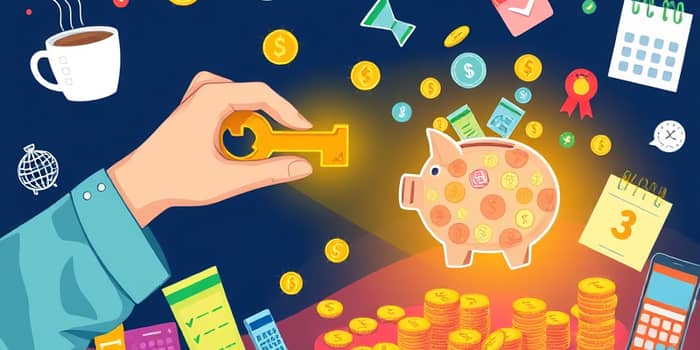
As we approach 2026, financial anxiety is palpable, with 32% of Americans expecting their finances to worsen, driven by persistent inflation.
This stark reality highlights the need for actionable strategies to build savings and achieve stability.
By adopting simple daily habits, you can transform your financial health and unlock hidden savings for a secure future.
The 2026 Financial Outlook: Why Habits Matter Now
Consumer priorities are shifting towards fundamentals, with 21% aiming to increase savings and 20% focusing on debt reduction.
However, 45% admit that impulse spending has derailed their progress, making mindful habits critical.
Embrace this moment to take control and make every dollar count in the face of economic uncertainty.
Crack Down on Impulse Spending
Impulse purchases are a major barrier to savings, with 59% of consumers targeting small daily buys for cutbacks.
Daily coffee shop visits and weekend shopping sprees can drain your budget without notice.
Implement practical tips to curb this habit and free up cash for essentials.
- Add friction by removing saved payment details from online stores.
- Set a 24-hour cooling-off period before making non-essential purchases.
- Enlist a friend for accountability on spending goals.
Automating savings transfers first can prevent funds from being spent impulsively, fostering financial discipline.
Automate Your Savings with the Pay Yourself First Method
Automation is a powerful tool for consistent savings, recommended by financial experts to ensure priorities are met.
Direct a portion of your paycheck to high-yield savings accounts or retirement funds before other expenses.
Aim for 15-20% of income towards long-term goals to harness the power of compound growth.
- Set up automatic transfers on payday to dedicated savings accounts.
- Create goal-based accounts for specific objectives, such as emergency funds or vacations.
- Increase contributions gradually, like by 1% annually, to build wealth over time without strain.
This habit ensures that savings are prioritized, reducing the temptation to spend on non-essentials.
Track and Budget with the 50/30/20 Rule
Budgeting provides clarity and control over your finances, with 12% citing it as a top goal for 2026.
Use the 50/30 rule: allocate 50% to needs, 30% to wants, and 20% to savings and debt repayment.
Regular tracking reveals spending patterns and helps identify areas for improvement.
- Review bank statements weekly to monitor expenses and spot trends.
- Dedicate one session per month to financial literacy and planning for adjustments.
- Adjust allocations based on changes in income or life priorities to stay flexible.
This approach fosters financial awareness and prevents overspending on unnecessary items.
Review and Negotiate Bills for Hidden Savings
Fixed expenses like utilities and subscriptions can be optimized to save significant money over time.
Monthly check-ins to negotiate bills can yield $10-20 in savings per month, adding up to over $100 annually.
Audit streaming services and other subscriptions to eliminate costs that no longer serve you.
Use this data as a baseline to compare and economize your spending habits effectively.
Boost Income and Tackle Debt Aggressively
Debt reduction is a top goal for 19% of consumers, especially with credit card APRs averaging 20%.
Simultaneously, 45% plan to take additional work to boost income, addressing both sides of the financial equation.
- Focus on paying down high-interest debt first to save on interest payments.
- Explore side hustles or freelance opportunities to increase earnings and diversify income streams.
- Set specific targets for debt payoff and track progress monthly to stay motivated.
This dual approach accelerates financial freedom and reduces the stress associated with debt.
Plan for Retirement with Incremental Contributions
Long-term savings are essential, with recommendations to save 15-20% of income for retirement.
Increasing contributions by just 1% in your mid-20s can add approximately $84,000 by retirement age.
Automate retirement savings to ensure consistency and benefit from compound growth over decades.
- Start with modest contributions and increase them over time as your income grows.
- Utilize employer-matched plans like 401(k)s to maximize savings and take advantage of free money.
- Regularly review investment options to align with your long-term goals and risk tolerance.
This habit secures your future and provides peace of mind in an uncertain economic landscape.
Embrace Mindful and Balanced Financial Habits
Mindful spending, chosen by 49% of consumers, focuses on intention rather than restriction for sustainable change.
Create a "give-up list" of specific sacrifices, like avoiding unnecessary finance talks or hourly stock checks.
Focus on one change at a time and build support systems to maintain momentum and emotional well-being.
- Practice gratitude for what you have to reduce the urge to spend on impulse purchases.
- Set financial intentions each month to stay aligned with your goals and adjust as needed.
- Celebrate small victories, such as reaching a savings milestone, to maintain motivation.
This mindset shift fosters lasting change and helps you navigate financial challenges with resilience.
Habits to Ditch for Greater Savings
Identifying and eliminating counterproductive habits is key to unlocking hidden savings and achieving financial goals.
Avoid common pitfalls like impulsive splurging driven by psychological triggers or financial ignorance from delegating blindly.
Ditch insufficient retirement saving below the 15% benchmark and hourly stock checks that fuel anxiety.
By replacing these with positive actions, you pave the way for smarter decisions and a healthier financial life.
Conclusion: Your Path to Financial Empowerment
The journey to unlocking hidden savings starts with small, daily actions that compound over time into significant wealth.
In the face of 2026's economic challenges, embrace habits like automation, mindful spending, and debt reduction to build resilience.
Remember, 44% of consumers act on their goals immediately, setting the stage for success and financial peace.
Take the first step today by implementing one habit, and watch your savings grow, securing a more prosperous and stress-free future for yourself and your loved ones.
References
- https://www.intuit.com/blog/innovative-thinking/2026-financial-forecast-mindful-stress/
- https://www.bankrate.com/banking/financial-outlook-survey/
- https://www.bls.gov/opub/ted/2026/the-new-year-and-household-spending.htm
- https://madamenoire.com/1606584/money-habits-im-dropping-in-2026/
- https://theweek.com/personal-finance/smart-financial-habits-new-year
- https://www.cit.com/cit-bank/learn/articles/2026-new-years-resolution-survey
- https://economictimes.com/wealth/save/struggling-to-save-6-money-habits-you-must-ditch-in-2026/breaking-bad-money-habits-the-real-secret-to-sticking-with-savings-goals/slideshow/126483665.cms
- https://www.experian.com/blogs/news/about/money-lessons-from-2025/
- https://www.youtube.com/watch?v=fp5hKcd0nbM
- https://www.vectrabank.com/personal/community/two-cents-blog/Save-Smarter-in-2026/
- https://www.fidelity.com/learning-center/personal-finance/2026-money-trends