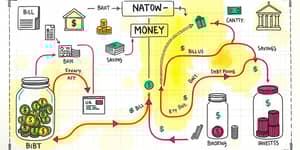
Imagine waking up each morning feeling unburdened by financial worries and free to pursue what truly matters. A financial freedom blueprint gives you that roadmap—the structure you need to build lasting wealth and live life on your terms.
In this comprehensive guide, we’ll explore how to define financial freedom, assess your current standing, implement proven strategies, and tailor every step to your unique life stage. By the end, you’ll be ready to create a dynamic, living plan that evolves with you.
What Is Financial Freedom?
Financial freedom means having enough resources to sustain your desired lifestyle without depending on a paycheck. It’s not about extreme wealth or luxury cars; it’s about control, choice, and peace of mind.
Many believe that freedom requires a seven-figure net worth. In reality, it starts with clear objectives: covering essentials, building passive streams, and eliminating high-interest debt. The benefits include reduced day-to-day stress, the capacity to take risks, and the opportunity to align work with passion.
Understanding Financial Independence
At its core, financial independence relies on creating passive income streams such as rental properties, dividends, or royalties. Those earnings cover living expenses, while active income serves growth and enjoyment.
Success hinges on early saving, harnessing compounding returns, and resisting lifestyle inflation. When your earnings rise, you channel surplus into investments rather than discretionary spending. Over time, the compounding effect accelerates wealth accumulation.
Crafting Your Personalized Assessment
Before launching into action, you need an accurate snapshot of where you stand. Calculate your net worth by subtracting liabilities from assets. Track income versus expenses for at least a month to understand cash flow patterns.
Evaluate your risk tolerance and time horizon. Are you comfortable with market swings? Do you plan to retire in ten years or thirty? Your answers guide portfolio allocation, insurance needs, and long-term planning.
Core Strategies for Lasting Success
- Budgeting: Allocate essentials first, then savings and debt repayment.
- Emergency Fund: Three to six months of living expenses set aside.
- Debt Management: Focus on high-interest obligations and prioritize payoff.
- Automated Saving: Schedule recurring transfers for consistency.
- Diversified Investing: Stocks, bonds, real estate tailored to your profile.
- Retirement Planning: Optimize 401(k), IRAs, and Social Security strategies.
- Tax Efficiency: Use tax-advantaged accounts and withdrawal timing.
- Insurance & Estate: Protect assets and designate beneficiaries wisely.
Step-by-Step Blueprint Implementation
- 1. Set SMART Goals aligned with your values.
- 2. Track and Budget: Categorize expenses, identify savings potential.
- 3. Build an Emergency Fund: Three to six months’ cushion.
- 4. Manage Debt: Prioritize high-interest first, then balances down.
- 5. Automate Savings: Out of sight, out of mind contributions.
- 6. Invest Wisely: Diversify and rebalance periodically.
- 7. Plan Retirement: Project needs, optimize Social Security timing.
- 8. Review Taxes & Insurance: Adjust for life changes.
- 9. Cultivate Passive Income and Legacy strategies.
- 10. Conduct Review/Update every 90 days or after major events.
Implementation and Monitoring
Turning plans into reality requires discipline. Automate bill payments and transfers to savings or investment accounts. Use tools—spreadsheets or apps—to maintain transparency over spending and progress.
Schedule regular 90-day reviews to adjust for raises, family additions, or market shifts. Document successes and obstacles, then refine your blueprint. Treat it as a living document, not a static promise.
Advanced Considerations by Life Stage
As you move through life’s chapters, priorities evolve. Tailoring your blueprint ensures that it continues to serve your goals, whether you’re funding college or planning legacy transfers.
Overcoming Common Challenges
Market volatility, unexpected expenses, and inertia can stall progress. Counter these by maintaining an emergency fund, diversifying investments, and breaking major tasks into smaller milestones.
Leverage automation to curb procrastination. Even small, consistent actions can yield outsized compounding benefits over decades. Seeking periodic professional guidance can also keep you on track without ongoing commission-based pressure.
Conclusion and Next Steps
Your financial freedom blueprint is more than a plan—it’s a commitment to yourself. With clear goals, disciplined execution, and adaptive reviews, you hold the key to lasting independence and fulfillment.
Start today: draft your SMART goals, track one month of expenses, and schedule your first review. As you witness small wins, momentum builds and confidence grows. The journey to long-term financial freedom begins with a single, intentional step—take it now.
References
- https://www.igniteplanning.com/freedom-blueprint
- https://energyofmoney.com/creating-a-personal-financial-blueprint-a-step-by-step-guide-to-financial-planning-and-success/
- https://www.scribd.com/document/897782723/Title-Financial-Freedom-Blueprint-Mastering-Budgeting
- https://heritagevalleyfcu.org/blog/building-a-blueprint-for-your-money/