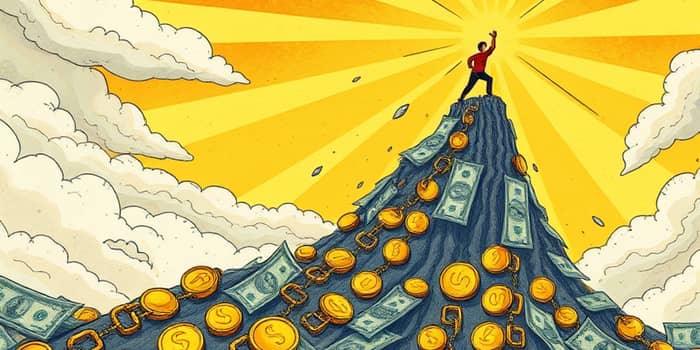
Debt can feel like a heavy anchor, weighing down your dreams and daily peace of mind. Yet, with a clear plan and the right mindset, you can transform that burden into a path toward lasting financial freedom and empowerment. This guide walks you through each critical step, equipping you with practical tactics, motivational tips, and the knowledge to choose the strategy that aligns with your personality and goals.
Assess Your Debt Landscape
Before embarking on your journey to eliminate debt, take a moment to understand exactly where you stand. An honest appraisal of your obligations not only clarifies the challenge ahead but also lays the groundwork for a clear financial roadmap that builds confidence.
- Inventory debts: List each balance, interest rate, and minimum payment.
- Prioritize highest rates: Note which accounts carry APRs above 20%.
- Track monthly progress: Use a spreadsheet or app to visualize reductions.
By recording these details, you transform abstract worry into concrete data, giving you the power to tackle one debt at a time.
Selecting the Right Repayment Path
Two dominant strategies lead the way: the Debt Snowball and Debt Avalanche methods. Each offers unique psychological and mathematical advantages, and a hybrid approach can unite the best of both worlds.
The Snowball Method focuses on the smallest balances first. You apply extra funds to the tiniest debt while maintaining minimums on larger ones. As you wipe out each small account, your payments “snowball” into the next, fueling a powerful sense of momentum and early wins for motivation.
By contrast, the Avalanche Method hones in on the highest interest rate, attacking the most expensive debt first to minimize total interest paid. Though initial progress may feel slower, the long-term savings can be substantial.
For many, a Hybrid Method delivers the perfect balance: secure a quick victory with the smallest debt, then pivot to tackling the highest-rate account. This combines emotional uplift with cost-effective progress.
Debt Consolidation and Rate Reduction
If managing multiple payments or high APRs feels overwhelming, consider consolidating your debts. This can simplify your obligations and potentially lower the interest you pay each month.
Balance transfer credit cards with 0% intro APR offers can give you a reprieve of up to 18 months, provided you have good credit and can pay off the balance before the promotional period ends. Alternatively, a personal consolidation loan with a fixed rate can merge all debts into a single payment, often at a lower overall APR.
Nonprofit credit counseling agencies also offer Debt Management Plans (DMPs), negotiating reduced interest rates—sometimes down to single digits—and combining your payments into one monthly bill. While this option can take longer to complete, the structured environment and professional guidance help many stay on track.
Crafting a Balanced Budget
A well-designed budget acts as the engine driving your debt repayment. The classic 50/30/20 rule provides a solid framework:
- 50% of income covers essentials—rent, utilities, food, and minimum debt payments.
- 30% goes toward discretionary spending—entertainment, dining out, hobbies.
- 20% is earmarked for savings and extra debt repayment.
To accelerate progress, challenge yourself with periodic no-spend weeks or trim expenses on non-essentials such as streaming services, gym memberships, or impulse purchases. Redirect every saved dollar toward your balances and watch the totals shrink more rapidly.
Igniting Income and Staying Motivated
Supplementing your primary income with side hustles can inject hundreds of extra dollars into your repayment plan. Whether it’s freelance work, rideshare driving, or selling handmade crafts, even a small boost can significantly propel your efforts.
- Set micro-goals: Celebrate each $100 reduction with a modest treat.
- Establish accountability: Share progress with a friend or financial coach.
- Use windfalls wisely: Allocate bonuses, tax refunds, and gifts directly to debt.
By linking progress to rewards and external support, you transform the process from a solitary slog into a dynamic journey peppered with milestones and celebrations.
Accelerating Your Journey
To truly dissolve debt, combine consistency with strategic windfalls. Redirect any unexpected income—tax returns, work bonuses, cashback rewards—entirely to your highest-priority debt. Continue making at least the minimum payments everywhere to maintain good standing and avoid fees.
Quarterly reviews of your budget and balances keep you accountable and allow you to adjust tactics if life circumstances shift. Over time, you’ll notice not only the shrinking numbers but also a growing sense of achievement and confidence as each account disappears from your statement.
Your Path to Financial Freedom
Eliminating debt is about more than numbers; it’s about reclaiming your time, your peace of mind, and your future. By assessing your situation, choosing a method that aligns with your personality, and leveraging consolidation and budgetary discipline, you set yourself up for lasting success.
Remember, the journey may feel daunting at first, but every payment brings you one step closer to liberation. Embrace each small victory, stay flexible, and lean on supportive resources when needed. With dedication and the strategies outlined here, you can transform debt into a powerful catalyst for growth and achieve the financial freedom you deserve.
References
- https://www.consumercredit.com/blog/year-end-financial-reset-guide/
- https://www.discover.com/personal-loans/resources/consolidate-debt/payoff-debt-snowball-vs-avalanche/
- https://www.experian.com/blogs/ask-experian/steps-to-get-out-of-debt/
- https://www.experian.com/blogs/ask-experian/avalanche-vs-snowball-which-repayment-strategy-is-best/
- https://www.cbsnews.com/news/maximize-chances-of-qualifying-for-debt-forgiveness-february-2026/
- https://www.westernsouthern.com/personal-finance/debt-avalanche-vs-debt-snowball
- https://www.youtube.com/watch?v=3jqWNn6fWWI
- https://www.fidelity.com/learning-center/personal-finance/avalanche-snowball-debt
- https://enrich.org/helping-clients-tackle-finances-with-debt-reduction-strategies/
- https://www.wellsfargo.com/goals-credit/smarter-credit/manage-your-debt/snowball-vs-avalanche-paydown/
- https://blog.umb.com/debt-strategy-comparison-avalanche-snowball/
- https://commons.lib.jmu.edu/honors201019/699/