Imagine waking up in 2026, where every purchase feels like a high-stakes decision between fleeting desires and essential survival.
With financial pressure as the primary driver, over 32% of global shoppers report feeling worse off, pushing them to rethink their spending habits deeply.
This article explores how you can navigate this complex landscape, offering practical insights to thrive in an era of economic uncertainty.
It’s a world where wants and needs are constantly at odds, yet understanding this balance can lead to more fulfilling and intentional living.
Let’s dive into the consumer mindset shaping our future.
The Core Consumer Mindset in 2026
Financial anxieties dominate daily life, with rising cost-of-living pressures affecting nearly three-quarters of people globally.
Economic stability has become a top priority, often overshadowing values like environmental concerns.
This shift means consumers are more focused on immediate survival than long-term ideals.
Value-seeking is no longer limited to low-income households; it spans all brackets, including those with six-figure incomes.
Key behaviors include deal-hunting and delaying purchases to stretch budgets further.
- 32.8% of global shoppers feel financially worse off than last year.
- 73% cite rising cost-of-living pressures as a major concern.
- 4 in 10 Americans exhibit value-seeking behaviors monthly.
- 79% of consumers are trading down or searching for deals on every purchase.
This mindset creates a paradoxical scenario: consumers want more while spending less.
Defining Wants and Needs in Modern Context
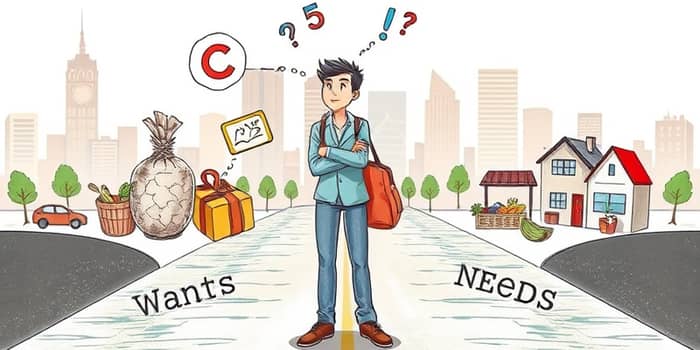
A need is something essential, like food or shelter, while a want is a desired experience rooted in emotion.
Wants reflect what consumers believe will resolve their deeper needs, making this distinction crucial for smart spending.
Consumers often blur these lines, seeking emotional fulfillment through purchases that aren’t strictly necessary.
Understanding this can help you prioritize what truly matters in your life.
For instance, a vacation might feel like a want, but it could address a need for mental health and relaxation.
- Needs are essentials for survival and well-being.
- Wants are future experiences driven by preferences.
- Consumers use wants to address unmet emotional or psychological needs.
This framework guides how people make trade-offs in their spending.
How Consumers Are Balancing Wants and Needs
More than one-third engage in cross-category trade-downs, sacrificing in one area to afford another.
This strategic approach allows for splurging on priorities while cutting back elsewhere.
For example, someone might skip dining out to save for a meaningful travel experience.
Value-seeking cuts across income levels, with higher earners also adopting frugal habits in discretionary categories.
Key categories like leisure travel remain insulated, showing that experiences hold significant emotional value.
This balancing act requires mindfulness and planning to avoid financial strain.
Intentional Spending and Decision-Making
Consumers are shopping more frequently but buying fewer items per trip, indicating mission-driven behavior.
They want clear value from brands, with marketing that simplifies choices rather than overwhelms.
Choice anxiety is real, driven by economic pressure and an overload of options.
Despite a willingness to pay for values-aligned products, over 60% still prioritize price in decisions.
This tension highlights the need for brands to offer transparency and ease.
- Consumers expect personalization that respects privacy.
- 40% are willing to pay more for values-aligned products, but value often wins out.
- Shopping trips are more frequent but with smaller baskets.
By adopting intentional habits, you can reduce stress and make more confident purchases.
The Personalization and Trust Paradox
64% of consumers prefer personalized experiences, yet only 39% feel the benefits outweigh privacy risks.
Clear value and marketing experiences are demanded, but data use must be responsible and transparent.
This creates a dilemma for brands aiming to build loyalty without invading privacy.
As a consumer, you can seek out companies that balance personalization with ethical data practices.
Trust is earned through consistency and honesty, not just flashy features.
- 32% feel uncomfortable with data-driven personalization tactics.
- Personalization should be on consumer terms, with clear benefits.
- Satisfied customers are more likely to trust and recommend brands.
Navigating this requires vigilance and open communication with brands.
Omnichannel and Experience-Driven Behavior
Consumers no longer distinguish between online and offline channels; they expect seamless journeys.
Pickup orders are growing, while food delivery faces pressure due to pricing concerns.
Spending on experiences is outpacing goods, with platforms like Airbnb booming.
Memorable experiences over products are prioritized, reflecting a shift toward emotional fulfillment.
By 2026, social commerce will play a larger role, blending entertainment with purchasing.
- Omnichannel integration is key for brand success.
- Experiences like travel and events are valued highly.
- Livestream shopping is projected to reach $70B in the US.
Embrace this trend by investing in activities that create lasting memories.
Food and Consumption Trends
Food cost anxiety persists, with consumers seeking nutrition at the lowest price.
Snacks are evolving into mini-meals, offering protein and functionality for busy lifestyles.
Despite health focuses, indulgence remains important for reward and experiential value.
Measurable wellness is the new minimum, with products needing to improve lives actively.
Restaurants are adapting by offering value-driven options like shareables and small plates.
- Consumers want snacks that feel purposeful and nutritious.
- Indulgent treats are still sought for emotional rewards.
- A portfolio approach to food based on daily habits is emerging.
This trend encourages mindful eating without strict deprivation.
Demographic Insights: Millennials
Millennials value fair pricing, quality, and reliability above all else.
They are efficiency-focused omnichannel shoppers, driven by time savings and cost relief.
Trust is a critical factor in their purchasing decisions, often outweighing brand values.
Understanding these preferences can help tailor spending to align with generational trends.
Millennials often lead in adopting new technologies and shopping behaviors.
- Fair pricing and reliability are top priorities.
- Digital-first journeys are preferred for convenience.
- Time savings and trust drive loyalty.
By recognizing these traits, you can make more informed choices in a diverse market.
Trust and Loyalty Dynamics
Satisfaction is closely linked to trust and purchase likelihood, with satisfied customers being more loyal.
Brands that deliver on promises see measurable improvements in recommendations and repeat business.
This underscores the importance of consistency and customer-centric approaches.
As a consumer, prioritize brands that have proven track records of reliability.
Building trust takes time but pays off in long-term relationships and better value.
- Satisfied customers are 4.1x more likely to recommend brands.
- They are 3.8x more likely to trust brands.
- Repeat purchases increase by 2.3x with satisfaction.
Focus on companies that prioritize your needs and feedback.
Brand Expectations and Values Alignment
Consumers want brands to be responsible and transparent, but budget realities often dictate purchases.
Economic stability is becoming a stronger driver than abstract values, creating a tension in loyalty.
Brands must align their messaging with financial practicality to maintain trust.
You can support companies that balance ethical practices with affordable pricing.
This alignment ensures that your spending reflects both personal values and practical needs.
Household budget considerations dominate purchasing decisions, even when values are important.
Seek out brands that communicate clearly about costs and benefits.
Segmentation and Targeting Opportunities
Audiences vary widely, from those seeking streamlined choices to digital-first shoppers.
Understanding these segments can help you identify where you fit and how to optimize spending.
Brands are catering to diverse needs, offering tailored options for different lifestyles.
By recognizing your own preferences, you can navigate the market more effectively.
- Segments include shoppers prioritizing speed and convenience.
- Others prefer premium quality without complexity.
- Digital-first journeys vs. in-store simplicity are key divides.
This diversity highlights the importance of personalization in modern consumption.
In conclusion, balancing wants and needs in 2026 requires mindfulness, strategy, and a focus on what truly enriches life.
Embrace value-seeking behaviors, prioritize experiences, and build trust with brands that respect your privacy and budget.
By doing so, you can transform financial pressure into opportunities for growth and fulfillment.
References
- https://www.experian.com/blogs/marketing-forward/what-2026-consumer-insights-mean-for-marketers/
- https://www.deloitte.com/us/en/insights/industry/retail-distribution/consumer-behavior-trends-state-of-the-consumer-tracker/understanding-value-seeking-consumer.html
- https://www.braze.com/resources/reports-and-guides/2026-consumer-trends
- https://www.smaply.com/blog/customer-wants-vs-needs
- https://www.mckinsey.com/industries/retail/our-insights/what-us-consumers-want-from-restaurants-in-2026
- https://www.mckinsey.com/industries/consumer-packaged-goods/our-insights/state-of-consumer
- https://www.ift.org/news-and-publications/food-technology-magazine/issues/2026/january/features/what-consumers-want-in-2026
- https://www.salsify.com/blog/how-consumer-buying-behavior-is-changing-in-2025-salsify
- https://www.qualtrics.com/articles/customer-experience/global-consumer-experience-trends/
- https://www.kearney.com/industry/consumer-retail/article/grocery-will-feel-the-squeeze-as-consumers-prioritize-wants-and-optimize-needs
- https://escalent.co/blog/top-consumer-trends-2026-market-research-insights-brands-need-to-build-winning-strategies/
- https://www.brafton.com/blog/content-marketing/marketing-needs-and-wants/
- https://nielseniq.com/global/en/insights/report/2025/consumer-outlook-guide-to-2026/
- https://www.quid.com/knowledge-hub/resource-library/blog/the-importance-of-understanding-consumer-behavior
- https://blog.thatagency.com/consumer-behavior-trends-2026