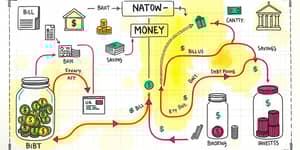
In an era defined by rapid technological evolution and economic uncertainty, mastering your finances demands more than simple saving—it requires a dynamic approach. Just as an athlete refines each movement, you too can fine-tune your financial performance with AI and strategic planning to unlock sustainable growth. This guide merges personal, business, and IT budgeting insights to empower you with a toolkit for 2026 and beyond.
Whether you’re looking to build an emergency fund, optimize cloud spend, or scale a growing enterprise, the pillars of diagnosis, targeted cuts, technology adoption, income expansion, and proactive monitoring will set you on a path to resilience and opportunity.
Phase 1: Financial Diagnosis and Budget Creation
Every optimization journey begins with a clear diagnosis. Start by tracking all income streams, monthly expenses, and occasional costs like taxes and gifts. For one month, save receipts and input data into a budgeting app or spreadsheet. Review your bank statements and categorize costs—utilities, groceries, subscriptions, and one-off charges—to build a precise spending map.
Gap assessments extend beyond personal ledgers. In a business or IT context, conduct quarterly audits of assets, SaaS licenses, cloud spend, and hardware utilization. Monitor server usage, dormant instances, and license allocation. Understanding these gaps gives you the actionable data needed for targeted cuts, risk mitigation, and informed decision-making.
- Protect interests with accounting basics and adequate insurance coverage.
- Reduce unnecessary expenses without hardship using small habit shifts.
- Invest in future opportunities by prioritizing high-impact projects.
Expense Reduction Tactics
Once you know where your money goes, it’s time to cut costs without sacrificing quality of life or performance. Reevaluate household telecom plans for bundled deals, prepare meals in batches, and adopt the envelope method to curb overspending. In entrepreneurial ventures, renegotiate vendor contracts annually, leverage open-source software, and combine shipments to reduce logistics expenses.
- Review and consolidate subscription services.
- Buy used equipment or leverage rentals.
- Limit impulse purchases by paying cash.
- Automate repetitive tasks to save labor costs.
Technology and Optimization Tools
Technology is a cornerstone of 2026’s budget optimization landscape. Cloud platforms now offer cloud efficiency and cost visibility through real-time dashboards that highlight idle resources and cost anomalies. Investing in first-party data infrastructures and adopting green computing standards like ARM64 architectures can shrink your carbon footprint while lowering energy bills. Data lakes and predictive analytics empower leaders to forecast trends, plan capacity, and manage resources proactively. AI copilots integrated into marketing and operations can boost productivity by 20–40%, freeing teams to focus on innovation.
IT asset management (ITAM) can cut license and hardware expenses by up to 30%. Enhance cybersecurity protocols to prevent breach-related losses, outsource non-core tasks such as helpdesk support, and schedule proactive maintenance windows to avoid unplanned downtime. Regular strategy reviews and vendor negotiations ensure that your technology stack aligns with evolving business goals and market conditions.
Savings and Income Growth
A robust savings plan forms the backbone of financial resilience. Adopt a “pay yourself first” mindset by automating transfers to retirement accounts and emergency funds. Aim for three to six months of living expenses in liquid assets to weather unexpected challenges.
On the income side, explore side projects, freelance work, or renting underutilized assets. Maximize employer benefits such as matching contributions and leverage skills in emerging fields like AI and data analysis. Always evaluate opportunities through an ROI-driven decision-making and prioritization framework to ensure that every effort yields measurable returns.
Long-Term Planning and Monitoring
Short-term wins build momentum, but long-term success hinges on sustainable strategies. Set realistic financial goals for the next five to ten years, incorporating flexibility for life changes like career shifts, family needs, and market disruptions. Optimists often manage money more effectively, so maintain a positive outlook when challenges arise. Revisit your money mindset and remind yourself of progress to stay motivated.
Maintain predictive analytics and proactive forecasting by conducting quarterly reviews of budgets, cloud usage, and cybersecurity threats. Embrace 2026 trends such as first-party data collection, multi-channel B2B engagement, AI-driven resilience, and subscription-based revenue models to stay ahead of the curve. Continuous monitoring and scenario planning ensure that small issues never escalate into crises.
By following this comprehensive framework—comprising diagnosis, tactical expense cuts, tech-enabled optimization, income growth, and proactive monitoring—you’ll transform your budget into a dynamic growth engine. Begin today by auditing one area, adapt constantly, and embrace innovation. With dedication and the right tools, you’ll optimize performance, achieve your financial aspirations, and build lasting resilience in a fast-changing world.
References
- https://www.auvik.com/franklyit/blog/how-to-reduce-it-costs/
- https://www.nbc.ca/personal/advice/credit/tips-financial-problems.html
- https://bankingjournal.aba.com/2025/08/planning-your-2026-budget-allocate-resources-to-support-growth-and-retention-goals/
- https://www.sunlife.ca/en/tools-and-resources/money-and-finances/saving-for-retirement/smart-money-moves/
- https://penncomp.com/it-budget-planning-2026-businesses/
- https://www.cpaontario.ca/insights/blog/three-personal-finance-pillars
- https://www.forrester.com/bold/planning-guides/
- https://www.1stunitedcu.org/more-for-you/financial-wellness/five-ways-to-optimize-your-finances
- https://www.cometly.com/post/marketing-budget-allocation-strategies
- https://www.canada.ca/en/financial-consumer-agency/programs/financial-literacy/financial-literacy-strategy-2021-2026.html
- https://rbj.net/2025/12/02/read-this-before-you-finalize-your-2026-budget-6-game-changing-b2b-tactics/
- https://www.morganstanley.com/articles/financial-planning-new-year-financial-resolutions