Retirement is more than a financial milestone—it’s the beginning of a new chapter filled with opportunity, exploration, and peace of mind. Yet many fear outliving their resources or sacrificing cherished dreams. By embracing transformative budgeting methods and proactive planning, you can craft a financial roadmap that supports both security and spontaneity.
In this guide, we’ll explore foundational techniques, sustainable strategies, and actionable steps to ensure you enter your golden years with confidence, not concern.
The Foundation: Understanding Your Income and Expenses
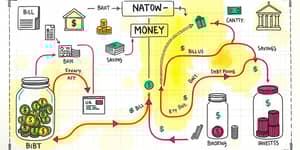
Every successful retirement budget starts with a clear picture of your cash flows. Begin by listing all income sources—Social Security, pensions, part-time work, rental earnings, and investment distributions. Next, categorize your expenses into fixed and variable groups.
Fixed expenses are those costs you must cover each month without fail. Variable expenses can be adjusted according to lifestyle choices. This distinction helps you align guaranteed income sources like Social Security and annuities to essential costs, while flexible withdrawals fund travel, hobbies, and dining out.
This simple table clarifies where your money goes and underscores the importance of matching reliable income to non-negotiable costs.
Budgeting Strategies to Sustain Your Golden Years
Once your financial baseline is established, choose an approach that aligns with your temperament and goals. Four core strategies can guide you:
- Fixed vs. Variable Matching: Use guaranteed income for fixed costs, variable withdrawals for lifestyle expenditures.
- 50/30/20 Rule: Allocate 50% to needs, 30% to wants, 20% to savings or goals.
- 80% Rule: Aim to replace roughly 80% of your pre-retirement income.
- Custom Strategy: Tailor a plan based on unique objectives and risk tolerance.
For most, combining elements of these approaches creates a sustainable lifestyle blueprint that balances predictability with freedom. For example, you might adopt the 50/30/20 framework yet set aside a separate bucket for travel and gifts, adjusting it annually to reflect your pursuits.
Key Steps for Building and Maintaining Your Retirement Budget
Strategic planning reduces surprises and empowers you to pursue aspirations without financial stress. Follow these seven critical steps:
- Assess Your Financial Snapshot: Total your assets, debts, income streams, and existing savings. Calculate your net worth and identify cash flow gaps.
- Set Clear Goals: Define short-term goals (emergency fund, debt reduction) and long-term dreams (travel itinerary, second home, legacy gifts).
- Estimate Monthly Spending: Track actual spending over 3–6 months to refine cost projections and avoid underestimation.
- Distinguish Needs vs. Wants: Create separate lists for essential living costs versus discretionary splurges.
- Plan for One-Time Expenses: Account for roof repairs, vehicle replacement, home renovations, and special events.
- Consider Housing Flexibility: Explore downsizing, relocating to lower-cost areas, or converting equity into income.
- Review Annually: Revisit your plan each year to adapt for inflation, lifestyle shifts, and evolving tax laws.
Maintaining an annual review ritual helps you stay agile. If you spot a mismatch between projected income and expenses, you can adjust withdrawal rates, reduce costs, or shift retirement timelines to preserve long-term security.
Planning Beyond Budgeting: Inflation, Taxes, and Legacy
Numbers tell only part of the story. To ensure a thriving retirement, account for variables like inflation and required minimum distributions (RMDs). A modest 2–3% annual inflation rate can erode purchasing power over decades, so build inflation buffers into your spending plan.
Stay abreast of evolving tax rules. For 2026, new senior deductions and increased state and local tax caps offer fresh planning avenues. Strategically time Roth conversions or RMD withdrawals to minimize tax impact and preserve more wealth for your heirs.
Finally, consider the legacy you wish to leave. Charitable giving, family gifts, or endowments can provide purpose and fulfillment. Allocating a portion of your budget—perhaps using a resilient budgeting approach—to philanthropic goals ensures your values endure beyond your lifetime.
Embrace Your Golden Years with Confidence
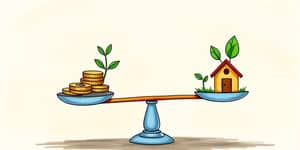
Retirement is a personal journey, influenced by dreams, experiences, and aspirations. By combining clear-eyed analysis with dynamic income planning, you can strike a balance between security and spontaneity. Crafting a budget is not about restriction—it’s about empowerment, choice, and peace of mind.
Begin today by taking control of your financial narrative. With every budget review, you inch closer to a retirement filled with possibility, joy, and the freedom to pursue lifelong passions. Your golden years await—reimagined, secure, and vibrant.
References
- https://www.aarp.org/money/personal-finance/retirement-budget-tips/
- https://www.missionfed.com/learn/retirement-budget/
- https://myguardianresources.com/financial-planning-for-retirement-key-reasons-it-matters-in-2026/
- https://www.principal.com/individuals/learn/how-to-create-retirement-budget
- https://www.fidelity.com/learning-center/personal-finance/retirement/2026-money-moves
- https://www.schwab.com/learn/story/retirement-budget-planning-9-steps-to-consider
- https://www.bluechippartners.com/blog/6-financial-planning-strategies-to-consider-for-2026/
- https://www.fidelity.com/viewpoints/retirement/budgeting-in-retirement
- https://www.oujowealthstrategies.com/blog/2026-financial-planning-guide-path-financial-independence
- https://www.blackrock.com/us/individual/education/retirement/building-a-retirement-budget
- https://www.nerdwallet.com/retirement/learn/retirement-planning-an-introduction
- https://www.securian.com/insights-tools/articles/retirement-budget-tips.html
- https://www.adp.com/spark/articles/2026/01/a-fresh-take-on-retirement-plans-8-trends-in-2026.aspx
- https://www.morningstar.com/retirement/6-retirement-must-knows-2026