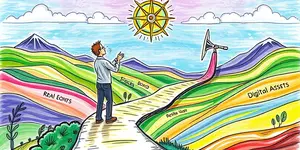
Building a legacy is more than transferring assets; it’s about creating a lasting story that binds generations. In this article, we explore how to align wealth, values, and wisdom into a single, cohesive plan that resonates long after you’re gone.
Defining Legacy Planning
Legacy planning is a comprehensive approach to organizing your assets alongside your personal narratives and ethical wishes. While traditional estate planning focuses on wills, trusts, and probate, legacy planning weaves in family stories, philanthropic goals, and cherished traditions.
By creating a map for your entire estate, you ensure that your estate not only preserves financial security but also honor your deepest intentions for beneficiaries and communities.
Core Concepts: Beyond Traditional Estate Planning
At its heart, legacy planning integrates financial and non-financial assets into one unified strategy. It’s designed to:
- Align monetary wealth with safeguarding family values and traditions.
- Minimize tax burdens through tax-efficient wealth transfer mechanisms.
- Embed life lessons and philanthropic visions into future generations.
- Prevent disputes and minimize unnecessary estate distribution conflicts.
By considering both tangible possessions and intangible wisdom, you craft a plan that lives on as a true reflection of your life’s journey.
Financial Foundations for Your Legacy
Effective legacy planning begins with a detailed inventory of all financial holdings. These often include real estate, business interests, retirement accounts, life insurance, and investment portfolios. A clear strategy ensures each asset is allocated purposefully.
Structures such as trusts and strategic gifting protect assets from excessive taxation and state intervention. Through smoothly transition management upon incapacity or death, trusts can also provide continued oversight and control over distributions, ensuring directives are followed precisely.
Key Components at a Glance
Preserving Family Values and Heritage
While money can buy comfort, traditions and stories foster connection. Documenting family histories, writing letters to descendants, and establishing annual rituals create a living tapestry that transcends monetary wealth.
By engaging heirs in conversations and activities now, you promote ongoing family dialogue and engagement and ensure those core beliefs are upheld and adapted thoughtfully over time.
Steps to Build a Lasting Legacy
Creating a robust legacy plan involves a series of deliberate actions. Begin by listing every asset—financial and personal—and clarifying your vision for each. Then, outline how you wish these assets to serve your family or community.
- Set clear goals for wealth transfer and charitable giving.
- Identify suitable legal vehicles like trusts, foundations, or donor-advised funds.
- Assign fiduciaries and guardians with detailed guidance documents.
- Plan for potential incapacity with healthcare directives and power of attorney.
Maintaining an updated plan through life’s milestones ensures adaptability and resilience against changing regulations or family dynamics.
Real-World Example: Art, Home, and Scholarships
Consider a family that has built a valuable art collection and owns a cherished ancestral home. Instead of dividing everything equally and risking discord, they crafted a legacy plan that grants the art to the child passionate about visual arts and passes the home to the other child.
They also established a scholarship fund for aspiring artists in their hometown, reflecting strategic philanthropic funding aligned with values. This holistic plan honors personal interests, secures family heritage, and extends generosity to the broader community.
Professional Guidance: Bringing Your Plan to Life
Partnering with experienced estate planning attorneys and financial advisors is vital. These professionals provide specialized knowledge in tax law, asset protection, and fiduciary responsibilities.
Regular reviews and open discussions with beneficiaries keep expectations clear and relationships strong. With expert input, you can fine-tune every detail, from trust provisions to digital asset management, preventing disputes and ensuring faithful execution.
Conclusion: Your Enduring Impact
Legacy planning is a deeply personal journey that interweaves financial prudence with the values and stories you cherish most. By taking deliberate steps today, you forge a blueprint for tomorrow—one that will nurture, inspire, and guide future generations.
Your thoughtful preparation not only protects your family’s well-being but also cements the narrative you wish to leave behind: a testament to lives lived with intention, compassion, and foresight.
References
- https://augulislawfirm.com/blog/uncategorized/legacy-planning-a-more-complete-form-of-estate-planning/
- https://www.tessierlawfirm.com/legacy-planning
- https://www.ameritas.com/insights/what-is-legacy-planning-and-do-i-need-it/
- https://blueskywa.com/blog/what-is-legacy-planning
- https://www.ironcladfamily.com/blog/legacy-planning
- https://michaelbradyco.com/blog/preserving-your-legacy-a-comprehensive-guide-to-estate-planning
- https://smartasset.com/estate-planning/legacy-planning
- https://www.northwesternmutual.com/life-and-money/guide-to-legacy-planning/