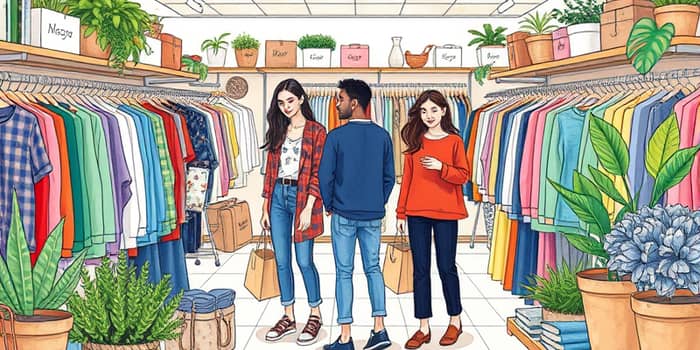
In an era of rising living costs and shifting consumer values, embracing budget-friendly style has never been more empowering. With creativity and intention, you can build a wardrobe that reflects your personality without draining your wallet.
Across the world, households are tightening their belts. The average American family spends 1434 USD annually on apparel, while a UK resident invests 526 GBP per year. Yet inflation has prompted 40% of shoppers to cut back on non-essential clothing purchases, and many are discovering that style thrives on resourcefulness.
Understanding the Clothing Market Landscape
Global apparel sales reached 1.53 trillion USD in recent years, projected to dip slightly to 1.42 trillion USD by 2026. Fast fashion remains a dominant force, forecast to hit 185 billion USD by 2027, driven by low prices and rapidly changing trends.
Meanwhile, the secondhand segment is surging at an unprecedented pace, set to double to 82 billion USD by 2026—growing sixteen times faster than traditional retail. This shift is fueled by younger consumers: 62% of Gen Z and millennials now check resale platforms before buying new.
Decoding Consumer Behavior and Budget Trends
Generational preferences are reshaping how we shop. Gen Z, armed with 360 billion USD in disposable income, is twice as likely to experiment with new brands and 60% discover styles on social media.
Millennials, on the other hand, lead in sustainable purchases: 72% are willing to pay a premium for brands supporting social causes. Across all demographics, high-income households allocate more to apparel, but they are also the most strategic—25% wait for items over 50 USD to go on sale.
The Hidden Costs of Fast Fashion
Behind bargain-basement price tags lie environmental and economic trade-offs. Cotton costs have surged by 40%, yet cheap imports still dominate. Consumers discard over 50% of new clothing unworn, and 30% of garments languish unworn for a year or more.
Online shopping brings convenience but also waste: return rates hover at 20–30%, and “wardrobing” (wearing items once and returning them) affects 14% of transactions. Mobile cart abandonment reaches 88.6%, underscoring the gap between desire and sustainable purchasing.
Key Market Segments and Projections
To navigate this complex market, consider how each segment is evolving:
Understanding these trajectories helps you pinpoint where to shop and when to invest in quality versus chasing the latest trend.
Frugal Strategies to Transform Your Wardrobe
Practical tactics can refresh your closet while protecting your budget:
- Build a capsule wardrobe of versatile staples that mix and match effortlessly.
- Hunt for secondhand treasures on resale sites, thrift stores, or local swap events.
- Choose high-quality affordable dupes of premium items to capture the look without the markup.
- Time purchases around major sale seasons—Q4 holiday deals yield up to 30% more savings.
- Leverage tech tools like virtual fitting rooms to minimize returns and ensure a better fit.
By combining these tactics, you’ll discover that less truly can be more, cultivating both style and savings.
Sustainability Meets Savings
As interest in eco-friendly practices soars—sustainable searches up 400% over five years—consumers are demanding greater transparency and accountability. Only 15% currently buy sustainable brands, but 48% believe the industry isn’t doing enough.
Embracing a circular fashion economy offers dual benefits: you reduce your carbon footprint and often purchase at significantly lower prices. Rentals cut garment carbon emissions by up to 50%, and repair services extend the life of existing pieces.
Looking Ahead to 2026
Economic forecasts suggest continued pressure on discretionary spending, but opportunities abound. Secondhand and subscription clothing models will swell, while omnichannel retail strategies foster customer loyalty through personalized experiences.
In regions like India, ecommerce apparel is expected to grow by 21.5%, driven by mobile-first users in rural areas. Globally, we anticipate a steady shift away from disposable fashion toward thoughtful consumption habits that prioritize value over volume.
Conclusion: Embrace Stylish Resourcefulness
Frugal fashion is not about sacrificing style—it’s about unlocking creativity, making informed choices, and championing a more sustainable industry. With a mix of savvy spending, strategic reuse, and mindful investments, you can curate a wardrobe that looks good, feels good, and does good for your budget and the planet.
References
- https://rawshot.ai/statistic/clothing-spending
- https://www.gofrugal.com/blog/apparel-industry-trends/
- https://earth.org/fast-fashion-facts/
- https://rooseveltinstitute.org/blog/cheap-clothes-high-costs-individual-choices-cant-thread-the-needle-on-fast-fashion/
- https://www.klosetklub.com/blog/is-fast-fashion-really-over-in-2026-the-data-says-no-but-your-wallet-says-yes
- https://www.economicsobservatory.com/fast-fashion-what-are-the-true-costs
- https://www.genevaenvironmentnetwork.org/resources/updates/sustainable-fashion/