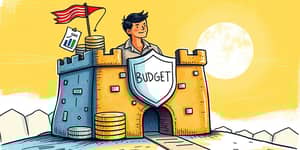
Feeling overwhelmed by debt is a common struggle, but it doesn't have to define your future.
With a strategic and aggressive approach, you can take control and demolish your debt for good.
This personal budgeting attack plan is designed to empower you with practical tools and motivation to achieve financial freedom.
By following this step-by-step guide, you'll learn how to assess your debt, create a battle-tested budget, and implement powerful repayment strategies.
The journey begins with a clear-eyed audit of your financial situation, which can reduce anxiety and set the stage for success.
Debt Audit: Know Your Enemy
Start by conducting a full debt inventory to bring clarity to your financial landscape.
This means listing every debt you owe, no matter how small or large.
Include details like creditor names, balances, interest rates, and minimum payments.
A comprehensive inventory helps consolidate fragmented information and reduces stress.
- Pull free credit reports annually to verify accuracy and spot errors.
- Assess if your debt is below 36% of gross income for DIY methods.
- For overwhelming high-interest debt, consider consolidation or relief options.
Knowing your enemy is the first step toward victory in your financial battle.
Budgeting Battle Plans: Allocate Every Dollar
Once you understand your debt, it's time to create a budget that works for you.
The 50/30/20 Rule is a popular framework that simplifies allocation.
It divides take-home pay into needs, wants, and savings or debt payoff.
- Use 50% for essentials like housing, utilities, food, and transport.
- Allocate 30% for discretionary wants such as entertainment or dining out.
- Dedicate 20% to savings and aggressive debt repayment.
Alternatively, the zero-sum budget assigns every dollar a specific job.
This method ensures that income minus expenses equals zero, eliminating waste.
Track your budget using apps or spreadsheets to maintain consistency.
- Automate payments to avoid missed deadlines and build discipline.
- Set clear goals, like reviewing surplus monthly to prioritize high-interest debt.
- Negotiate bills and cut discretionary spending to free up extra cash.
These tactics turn budgeting from a chore into a powerful weapon.
Repayment Strategies: Snowball and Avalanche as Core Attacks
With a budget in place, focus on repayment methods that fit your personality and goals.
The debt snowball and avalanche strategies are proven DIY approaches.
They require no new debt and can be started immediately for effective results.
Pay more than the minimums whenever possible to accelerate payoff.
- Even small extra payments, like $20 per month, can significantly reduce principal.
- Optimize by targeting highest-rate debts first and asking creditors for rate reductions.
- Consider a 90-day blitz to aggressively tackle one debt, such as by selling unused items.
These strategies transform repayment into a manageable and rewarding process.
Consolidation and Relief: Heavy Artillery for Larger Loads
For larger debt loads, consolidation and relief options provide powerful solutions.
A debt consolidation loan or balance transfer can simplify payments.
This combines multiple debts into one with a lower interest rate.
- It offers fixed terms and a clear payoff timeline, often 3-5 years.
- Ideal for high-interest credit cards that dominate your finances.
Debt management plans (DMPs) are another option through nonprofit agencies.
They roll debts into one reduced-rate payment with small fees.
Avoid the pitfall of borrowing new debt to pay off old obligations.
These tools serve as heavy artillery when DIY methods aren't enough.
Defensive Tactics: Prevent Reloads and Build Resilience
To ensure long-term success, focus on preventing debt from creeping back.
Start by building an emergency fund as a financial buffer.
Even a small amount, like $250 to $500, can prevent new debt from surprises.
- Stop using credit cards to avoid accumulating more debt.
- Communicate with creditors early if you anticipate payment issues.
- Automate payments and transfers for consistency and peace of mind.
Balance debt repayment with savings to maintain financial health.
Prioritize minimum payments, then allocate funds to emergency and medical savings.
This defensive approach builds resilience and protects your progress.
Psychology and Long-Term Demolition
The mental aspect of debt payoff is crucial for sustained motivation.
Small wins from strategies like the snowball method boost confidence.
This momentum reduces paralysis and keeps you engaged in the process.
- Conduct quarterly budget check-ins to stay on track and adjust as needed.
- Embrace a mindset of perseverance, viewing setbacks as learning opportunities.
- Celebrate milestones to reinforce positive behavior and long-term commitment.
Dave Ramsey's emphasis on a written budget and smallest-to-largest list highlights simplicity.
By 2026, aim for a full financial reset through regular audits and method refinement.
Building a buffer alongside repayment ensures that your attack plan remains sustainable.
Demolishing debt is not just about numbers; it's about reclaiming your financial freedom.
With dedication and this comprehensive plan, you can achieve a debt-free future.
References
- https://www.nerdwallet.com/personal-loans/learn/pay-off-debt
- https://emarquettebank.com/financial-education/articles-insights-for-you/debt-reduction-strategies
- https://www.wsfsbank.com/resources/six-ways-to-start-your-personal-finances-off-on-the-right-foot-in-2026/
- https://www.e-fnb.com/6-strategies-for-paying-down-debt-and-building-savings/
- https://www.personalfinance.lawyer/our-blog/2026/january/debt-relief-strategies-to-start-the-year-financi/
- https://www.navyfederal.org/makingcents/credit-debt/debt-repayment-strategies.html
- https://www.southeastclientservicesinc.com/blog/effective-debt-management-strategies
- https://www.associatedbank.com/education/articles/personal-finance/loans-and-debt/how-to-get-out-of-debt-strategies
- https://www.consolidatedcredit.org/financial-news/your-2026-debt-reset-the-smartest-ways-to-start-the-year-strong/
- https://dfpi.ca.gov/news/insights/three-steps-to-managing-and-getting-out-of-debt/
- https://www.pfcu.com/resources/education/moneyline-blog/january-2026/complete-guide-money-management-2026
- https://www.thestreet.com/investing/dave-ramseys-blunt-truth-on-the-only-real-hack-for-paying-off-debt
- https://www.fidelity.com/viewpoints/personal-finance/how-to-pay-off-debt
- https://www.valley.com/personal/insights/managing-your-money/debt-management-101-core-tips-and-tricks-to-pay-down-your-debt