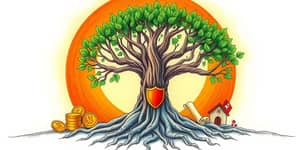
Every family desires to leave behind more than just account balances. It is about the lessons, values, and opportunities you bestow upon your descendants long after you are gone. By weaving together thoughtful strategies and heartfelt intentions, you ensure that your wealth serves a purpose far beyond numbers on a statement.
Generational wealth planning is the art of synchronizing legal structures, investment philosophies, tax efficiencies, and philanthropic missions. Through this harmony, you create a durable framework that withstands market cycles, legislative shifts, and life’s unexpected twists.
In this comprehensive guide, you will discover how to build a multi-generational financial legacy vision for families, empower your heirs with knowledge, and navigate complex tools—from dynasty trusts to youth savings accounts—so that your legacy becomes a living, breathing testament to your values.
Core Principles of Legacy Planning
At its core, effective legacy planning balances protection, growth, and purpose. You must shield your assets from excessive taxation and legal challenges while cultivating long-term returns and embedding the values you hold dear.
- Clear estate planning fundamentals such as wills, trusts, and powers of attorney
- Strategic investment and portfolio diversification to harness sustainable growth
- Thoughtful tax optimization techniques leveraging advanced vehicles
- Family education and governance frameworks promoting transparency and unity
- Purpose-driven philanthropy and charitable giving creating lasting impact
These pillars serve as the compass for a robust legacy. By integrating them early, you not only secure assets but also cultivate a sense of responsibility and shared purpose among heirs.
Estate Planning Essentials
Updating beneficiary designations on retirement accounts, HSAs, and insurance policies is a low-cost, high-impact starting point. A clear will outlines your final wishes, while a revocable living trust can steer assets without probate delays.
For deeper protection, irrevocable trusts—such as dynasty trusts and generation-skipping transfer (GST) trusts—lock in your wealth structure, insulating it from estate taxes and creditor claims. Consider Qualified Personal Residence Trusts (QPRTs) to transfer homes at discounted values, preserving family properties over time.
Advanced directives, including living wills and powers of attorney for healthcare and finances, ensure decisions reflect your intentions. Naming guardians and successor trustees avoids court battles, reducing stress for beneficiaries during emotional times.
Investment and Tax Optimization
Building long-term compounding via Roth IRAs is a cornerstone of tax-efficient growth. By contributing early and converting traditional IRA balances during years of lower income, you fill lower tax brackets and eliminate future required minimum distributions (RMDs).
Diversification across equities, fixed income, real estate, and private alternatives reduces portfolio volatility. Implement automated contributions to employer-sponsored plans and SEP-IRAs, ensuring consistency even during market downturns.
Look to sustainable and impact investing to align returns with your family’s values. These vehicles not only support environmental and social causes but can also capture growth in emerging markets and sectors poised for long-term expansion.
On the tax front, bunch charitable contributions into donor-advised funds (DAFs) to maximize itemized deductions, then distribute grants over multiple years. An irrevocable life insurance trust (ILIT) housing a second-to-die policy generates tax-free death benefits, providing heirs with liquidity to cover estate taxes or equalize inheritances without forced sales.
Stay informed about legislative updates. The One Big Beautiful Bill Act’s permanent tax brackets, plus new youth savings accounts launched in 2025, can shift your gifting and investment timelines. Structuring early gifts into 529 plans or youth accounts accelerates educational funding while reducing your taxable estate.
Engaging Your Family and Transmitting Values
“True wealth isn’t just measured in dollars—it’s in the values and vision you pass on,” aptly describes the emotional heart of legacy planning. Engaging heirs transforms passive beneficiaries into active stewards.
- Host regular family meetings, retreats, and workshops to discuss shared mission statements and charters.
- Implement mentorship programs teaching budgeting, compound interest, investment basics, and giving practices.
- Invite younger generations into real philanthropic activities, such as the Smiths’ quarterly DAF meetings fostering empathy.
- Use governance councils to enable decision-making, conflict resolution, and project oversight.
- Share case studies—like the Lees converting a $1.2 million IRA to Roth over six years while gifting $90,000 annually—to illustrate strategy impact.
Transparent communication channels break down silos between generations, building trust and allowing younger family members to ask questions freely. Documenting family history, mission statements, and financial philosophies creates a lasting cultural repository.
A Step-by-Step Planning Blueprint
This structured approach guides you from initial intentions to ongoing stewardship.
- Discovery: Convene family leaders to clarify values, aspirations, and potential concerns.
- Document Review: Audit wills, trusts, insurance policies, investment accounts, and beneficiary forms.
- Plan Development: Match goals to tools by modeling cash flows, tax projections, and risk scenarios.
- Family Engagement: Educate heirs on financial fundamentals, outline philanthropic missions, and formalize governance roles.
- Implementation & Review: Execute legal documents, fund trusts, schedule annual reviews, and adjust for life events.
- Value Preservation: Maintain digital vaults of documents, record vision statements, and track performance metrics.
Committing to this blueprint ensures that your plan adapts to changes: from evolving tax laws to shifts in family dynamics. Regular check-ins with advisors guarantee that new opportunities are seized and unexpected risks are mitigated.
Maintaining and Evolving Your Legacy Over Time
Legacy planning is an ongoing journey. Annual reassessments uncover gaps caused by births, deaths, business transitions, and legal updates. Fine-tune strategies by reviewing investment performance, trust funding, and philanthropic outcomes.
Leverage technology platforms for secure document sharing, real-time dashboards, and virtual family forums. These tools democratize information access, allowing trustees, advisors, and heirs to collaborate seamlessly.
Integrate experiential learning—summer internships in the family business, charity project leadership roles, or investment clubs—to solidify knowledge and commitment. By weaving education into everyday activities, you cultivate confident next-generation leaders.
Ultimately, achieving financial security for future descendants requires intentional communication, disciplined execution, and a shared sense of purpose. Armed with this blueprint, you are poised to craft a legacy that honors your achievements and empowers generations to come.
References
- https://brownmillerwm.com/how-millennials-are-creating-a-financial-legacy/
- https://www.omnivestfinancial.com/blog/legacy-planning-2025-preserving-your-wealth-and-values-across-generations
- https://sachetta.com/blog/multi-generational-wealth-planning-strategies
- https://frameandframe.com/blog/generational-wealth-planning/
- https://www.justvanilla.com/blog/legacy-planning-for-financial-advisors
- https://www.bairdwealth.com/insights/wealth-management-perspectives/2025/11/passing-your-second-home-to-the-next-generation/
- https://www.northwesternmutual.com/life-and-money/guide-to-legacy-planning/
- https://www.usbank.com/wealth-management/financial-perspectives/trust-and-estate-planning/family-legacy-planning.html
- https://www.thesotolawgroup.com/blogs/7847/how-to-keep-wealth-in-your-family-for-generations