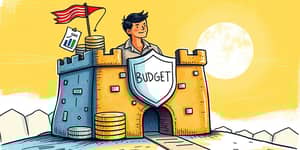
Imagine a life where every dollar you earn has a purpose, where financial stress melts away, and your goals feel within reach.
This is the power of mastering your personal cash flow through effective budgeting, a journey that starts right here.
Budgeting is more than tracking expenses; it's a dynamic and empowering process that puts you in control of your financial destiny.
By understanding how money moves in and out of your life, you can build resilience, reduce anxiety, and unlock opportunities.
This comprehensive guide will walk you through every step, from initial assessment to ongoing maintenance, using proven tools and strategies.
You'll learn to harness resources from experts and government-backed frameworks to create a plan that's uniquely yours.
Let's begin by exploring what cash flow means and why it's the cornerstone of financial health.
Assessing Your Financial Picture
Before you can craft a budget, you need a clear snapshot of where you stand financially.
Start with self-assessment tools like the "Financial empowerment self-assessment" or "My money picture" to visualize your current situation.
These tools help identify strengths and areas for improvement, setting a foundation for informed decisions.
Gather key documents such as bank statements, pay stubs, and bills to ensure accuracy.
- Use a spending tracker to log expenses for 2-4 weeks.
- Review credit reports for errors or discrepancies.
- Calculate your net worth by listing assets and liabilities.
This process might feel daunting, but it's a crucial first step towards empowerment and long-term success.
Setting SMART Goals
Goals give your budget direction and motivation, transforming abstract dreams into actionable plans.
SMART goals are Specific, Measurable, Achievable, Relevant, and Time-bound, ensuring clarity and progress.
For example, instead of "save more money," aim to "save $500 for an emergency fund in three months."
Incorporate tools like "Setting SMART goals" worksheets to break down objectives into manageable steps.
- Specific: Define exactly what you want to achieve.
- Measurable: Track progress with numbers or milestones.
- Achievable: Ensure goals are realistic given your resources.
- Relevant: Align goals with your values and life events.
- Time-bound: Set deadlines to maintain focus and urgency.
Regularly revise goals as circumstances change, keeping your budget flexible and responsive.
Calculating Income
Your budget's foundation is your income, specifically your net take-home pay after taxes and deductions.
This is the money you actually have available to spend, save, and invest each month.
Track all income sources using an "Income and benefits tracker" to capture every dollar.
- Salary or wages from primary employment.
- Freelance gigs or side hustles for extra cash.
- Rental income, investments, or government benefits.
- Bonuses, gifts, or other irregular inflows.
Accurate income calculation ensures you don't overestimate funds, preventing budget shortfalls and stress.
Tracking and Categorizing Expenses
Expenses fall into two main categories: fixed and variable, each requiring different management strategies.
Fixed expenses are predictable and essential, such as housing, utilities, insurance, and loan payments.
Variable expenses fluctuate monthly, including groceries, transportation, dining, and entertainment.
Use a "Spending tracker" or "Bill calendar" to monitor these outflows and identify patterns.
- Fixed Expenses: Rent or mortgage, car payments, subscriptions.
- Variable Expenses: Gas, groceries, personal care, family needs.
Categorizing expenses helps you see where money goes, making it easier to cut unnecessary spending and optimize your cash flow.
Building the Budget Plan
With income and expenses clear, it's time to create a budget that balances your financial life.
The 50/30/20 rule is a popular framework: allocate 50% to needs, 30% to wants, and 20% to savings and debt repayment.
Alternatively, consider a zero-based budget where every dollar is assigned a purpose, or use the envelope system for physical control.
Compare your income versus expenses to aim for a surplus, which can be directed toward goals.
Here's an example monthly budget template to visualize how this works in practice:
This table shows a slight deficit, highlighting areas for adjustment to stay on track.
Debt Management
Debt can derail your budget if not managed proactively, but with a plan, you can regain control.
Use tools like a "Debt log" or "Debt-to-income calculator" to prioritize high-interest debts and pay more than the minimum.
Aim for a debt-to-income ratio below 36% to maintain financial stability and improve credit scores.
- Focus on paying off credit cards with the highest rates first.
- Consider debt consolidation or negotiation for lower payments.
- Avoid new debt by sticking to your budget and emergency fund.
Effective debt management frees up cash for savings and reduces long-term financial strain.
Savings Strategies
Savings are your safety net and growth engine, essential for emergencies and future goals.
Target an emergency fund of 3-6 months' living expenses to cushion against unexpected events.
Automate transfers to savings accounts to ensure consistency, using "Saving plans" for specific objectives like retirement or vacations.
- Set up automatic deposits from each paycheck.
- Use sinking funds for irregular expenses like car repairs.
- Explore high-yield savings accounts for better returns.
Consistent savings build wealth over time, providing peace of mind and financial freedom.
Credit and Financial Products
Good credit opens doors to better loan rates and financial opportunities, so it's worth nurturing.
Request free credit reports annually to review for errors and dispute any inaccuracies promptly.
Compare financial products like checking accounts and credit cards to avoid fees and maximize benefits.
- Monitor credit scores regularly for improvements.
- Choose accounts with low or no monthly fees.
- Use credit responsibly to build a positive history.
Understanding these products helps you make informed choices that support your budget.
Tools and Worksheets
Leverage free resources to streamline your budgeting process and stay organized.
The Consumer Financial Protection Bureau offers 43 fillable PDFs, including trackers and planners, accessible online.
You can use paper worksheets, Excel spreadsheets, or budgeting apps that sync with your accounts for real-time updates.
- Download tools like "Cash flow budget" worksheets.
- Try apps that categorize spending automatically.
- Create custom spreadsheets for personalized tracking.
These tools reduce manual effort and increase accuracy, making budgeting more manageable.
Implementation and Maintenance
A budget is not a set-it-and-forget-it tool; it requires ongoing attention and adjustment.
Track your spending daily using apps or a notebook, and reevaluate monthly for life changes like raises or new expenses.
Automate bill payments and savings transfers to avoid missed deadlines and build habits.
- Cut expenses by identifying leaks in variable spending.
- Prioritize bills during tight months to avoid penalties.
- Stay flexible and adjust goals as needed for sustainability.
Regular maintenance ensures your budget evolves with you, keeping you on path to success.
By following these steps, you'll craft a cash flow system that empowers you to achieve financial wellness.
Remember, budgeting is a journey of small, consistent actions that lead to big rewards.
Start today by downloading a free worksheet or setting one SMART goal—your future self will thank you.
References
- https://www.consumerfinance.gov/consumer-tools/educator-tools/your-money-your-goals/toolkit/
- https://chicagopartnersllc.com/your-resources/wealth-blog/key-components-to-incorporate-into-a-monthly-budget/
- https://www.nerdwallet.com/finance/learn/budget-worksheet
- https://bettermoneyhabits.bankofamerica.com/en/saving-budgeting/creating-a-budget
- https://finances.extension.wisc.edu/articles/creating-a-budget/
- https://financialaid.richmond.edu/financial-wellness/budgeting.html
- https://www.intuit.com/blog/budgeting/include-budget/
- https://dfr.oregon.gov/financial/manage/pages/budget.aspx