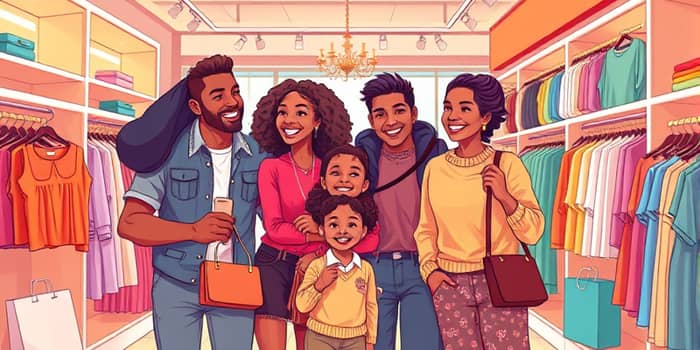
Smart shopping for the whole family is both an art and a science. In today’s rapidly evolving retail environment, making informed choices can lead to significant savings, unmatched style, and lasting satisfaction. Whether you’re outfitting toddlers, teens, or adults, understanding market trends, product segments, and savvy shopping strategies empowers you to build versatile wardrobes that reflect your family’s unique tastes. This article dives deep into industry insights, regional dynamics, and practical tips—ensuring you shop with confidence and flair.
Market Overview and Growth
The family clothing market has become a powerhouse within global retail, valued at 219.5 billion USD in 2024 and projected to hit 225.9 billion in 2025. With a compound annual growth rate of 2.9% forecast through 2035, retailers and consumers alike stand to benefit from steady expansion. In the United States, family store revenues reached 133.1 billion dollars in 2024, growing an average of 2.8% over the past three years. These figures illustrate not only the sector’s resilience, but the rising influence of lifestyle-driven fashion consumption.
Meanwhile, the broader global apparel market, valued at 1.8 trillion USD, is set to surpass 1.84 trillion in 2025, reinforcing clothing’s position as a crucial contributor to global GDP. As families seek both value and quality, these expanding markets signal opportunities for innovative brands and budget-savvy shoppers aiming to maximize their wardrobes without sacrificing style.
Segment Spotlight: Men’s, Women’s, Children’s
Within the family clothing spectrum, product categories display unique growth trajectories. The men’s segment led at 75 billion USD in 2024, propelled by renewed interest in tailored formal wear and contemporary casual designs. Industry experts anticipate this segment to reach 100 billion by 2035, reflecting increasing fashion consciousness among male consumers.
Women's clothing, valued at roughly 83 billion in 2024, is on track for substantial gains through personalized attire and curated styles. By 2035, forecasts estimate a market worth of 115 billion USD, highlighting the enduring demand for diverse silhouettes and customizations. Children's and baby clothing also shine as growth stars: children's wear hit 45 billion and is poised for expansion, while baby apparel’s focus on organic and sustainable fabrics will drive its rise to 25 billion by 2035.
- Men’s Clothing: focus on formal and casual wear
- Women’s Clothing: personalized and diverse styles
- Children’s Clothing: growth from rising birth rates
Consumer Trends Shaping the Industry
Modern families navigate a landscape defined by convenience, ethics, and personalization. Online fashion sales, projected to reach 1.2 trillion USD by 2025, underscore the shift towards e-commerce and digital-first experiences. Parents value platforms that offer seamless returns, virtual fitting rooms, and subscription-based styling services. At the same time, an increased demand for ethical materials and eco-conscious production methods is reshaping purchasing decisions, especially in children’s apparel. Shoppers prioritize transparency in supply chains, driving brands to adopt sustainable practices.
- Rise of E-commerce: convenience and broad selection
- Sustainability Focus: ethically sourced materials
- Inclusivity & Diversity: sizes and cultural styles
- Social Media Influence: celebrity and influencer trends
Regional Dynamics and Opportunities
Geographic markets exhibit diverse patterns. North America leads with a valuation of 75 billion USD in 2024, reflecting high disposable incomes and established retail networks. Europe follows with steady demand for lifestyle-driven fashion, while APAC emerges as the fastest growing region thanks to urbanization, rising middle-class spending, and digital adoption. South America shows moderate increases, driven by younger demographics embracing global trends. The Middle East & Africa are gradually expanding, fueled by e-commerce penetration and growing fashion awareness.
This regional breakdown highlights where families can find the best blend of affordability, quality, and access to global brands. It also spotlights emerging markets primed for investment and trendsetting.
Strategies for Smart Family Fashion Shopping
Armed with industry insights, the real question becomes: how do you translate data into smart shopping decisions? Start by setting a realistic budget per family member, balancing trend-led pieces with wardrobe staples. Prioritize basics—tops, denim, and versatile layering items—crafted from durable, machine-washable fabrics. Leverage online platforms for price comparisons and flash sales, but visit physical outlets for final fittings, especially for formal and athletic wear.
- Budget Planning: allocate per-person spending limits
- Mix & Match: choose versatile colors and styles
- Sale Monitoring: use alerts for seasonal promotions
- Sustainable Picks: opt for recycled or organic fabrics
- Personalization: tailor fits or monogram options
Incorporate family feedback when selecting pieces. Allow teenagers to choose items that align with their personal brands, while ensuring younger children have comfortable, safety-tested garments. For special events and school functions, plan ahead to avoid last-minute markups.
Leveraging Technology and Personalization
Technology sits at the heart of modern retail transformation. Wearable tech trends are inspiring smart fabrics that adapt to temperature, wick moisture, and even charge devices. Family shoppers benefit from virtual closets that recommend outfits based on weather, occasion, and past preferences. AI-driven chatbots answer real-time queries on sizing and styling. Imagine a platform that learns your children’s sizing growth patterns, sends timely reminders to reorder basics, and suggests coordinating family pictures outfits. These innovations promise to streamline your shopping experience and reduce returns.
Beyond convenience, personalization deepens emotional connections with brands. Custom embroidery, limited edition capsule collections co-designed with childhood favorites, and on-demand tailoring services enrich the purchase journey. Retailers that invest in these capabilities will capture loyalty and increase lifetime value. As a shopper, explore brands that offer customization previews and transparent production timelines, ensuring you receive exactly what you envisioned—tailored to each family member’s tastes and measurements.
Future Outlook and Final Thoughts
Looking ahead, the family clothing market promises continued evolution fueled by technology, shifting demographics, and sustainability commitments. Innovations such as AI-driven sizing tools, augmented reality fitting experiences, and blockchain-enabled supply chain transparency will redefine how families shop. By 2035, we can expect even greater emphasis on personalized subscriptions, social commerce integrations, and collaborative brand communities that co-create designs with customers.
Your family’s journey through fashion need not be daunting or expensive. With a clear understanding of market trends, regional opportunities, and shopper-friendly strategies, you can confidently build wardrobes that last. Embrace innovation, support sustainable brands, and involve every family member in the decision-making process. Beyond mere clothing, smart family fashion shopping becomes an opportunity to express identity, foster unity, and celebrate life’s milestones in style.
References
- https://www.wiseguyreports.com/reports/family-clothing-store-market
- https://bestcolorfulsocks.com/blogs/news/children-s-clothing-statistics
- https://www.researchandmarkets.com/report/united-states-family-clothing-store-market
- https://www.coherentmarketinsights.com/industry-reports/kids-clothing-market
- https://www.statista.com/topics/965/apparel-market-in-the-us/
- https://www.uniformmarket.com/statistics/global-apparel-industry-statistics
- https://project-aeon.com/blogs/10-key-fashion-industry-statistics-for-2025